Top Reasons to Invest in Pest Control Services in Sussex County
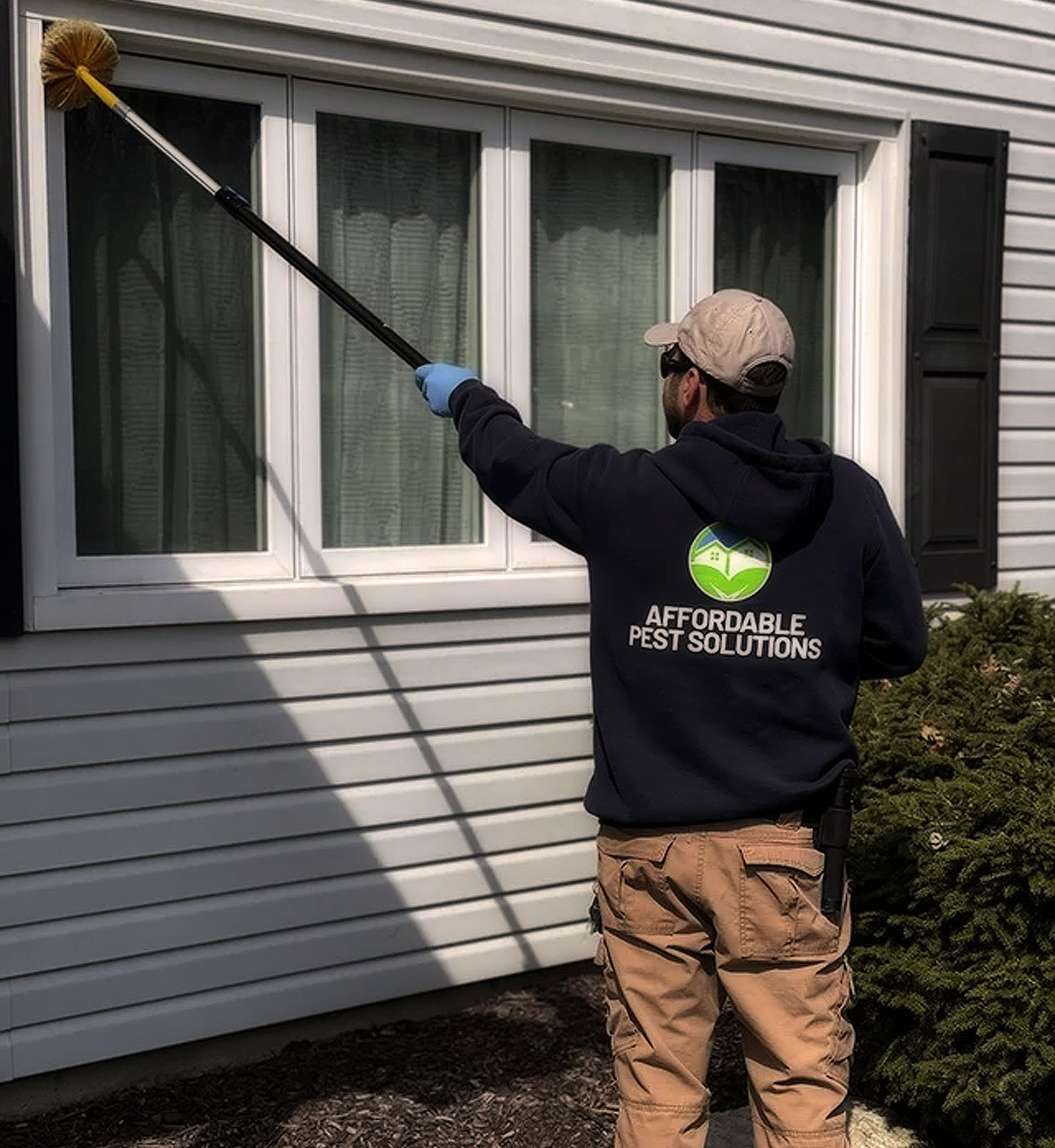
Sussex County offers a mix of coastal humidity, wooded lots, farmland, older homes, seasonal rentals, and newer developments. That combination makes it a beautiful place to live and, from a pest standpoint, a busy one. When people think about pest control, they often picture a single problem such as ants in the kitchen or mice in the garage. In practice, infestations tend to be more layered than that. A moisture issue under a crawl space can attract termites, the same damp area can support roaches, and the yard conditions outside may be inviting rodents closer to the structure.
That is why investing in professional pest control is rarely about convenience alone. It is about protecting the structure, preserving indoor health, avoiding preventable repairs, and staying ahead of issues that grow more expensive the longer they are ignored. In Sussex County, where many properties face pressure from both climate and landscape, consistent service often saves money rather than adding another household bill.
Sussex County creates the right conditions for recurring pest pressure
The local environment matters. Pest activity is not random, and it is not evenly distributed throughout the year. Warm months bring ants, wasps, mosquitoes, and increasing termite swarms. Cooler months drive rodents indoors. Wet stretches can intensify problems with roaches, earwigs, and moisture-seeking insects. Homes near fields, wooded edges, ponds, or marshy areas usually face a broader range of pest pressure than owners expect.
Older homes in particular can be vulnerable because they often have settled foundations, aging crawl space vents, worn weatherstripping, or utility penetrations that were never fully sealed. Newer homes are not immune either. Fresh construction can disturb pest habitats, and newly graded lots sometimes Affordable Pest Solutions LLC Pest Control Services Sussex County drain poorly for the first few seasons. That standing moisture near a foundation becomes a welcome sign for insects.
This is one reason Pest Control Services Sussex County homeowners rely on tend to emphasize inspection and prevention, not just treatment. The visible pest is usually only part of the story. The real work often starts with understanding where the pressure is coming from and what conditions are allowing it to continue.
Small pest problems rarely stay small for long
A surprising number of infestations start with a detail most people overlook. A thin line of ants by the sink. A single mouse dropping near stored holiday decorations. A few winged insects around a window after rain. Homeowners understandably hope these are isolated incidents. Sometimes they are, but very often they are early warnings.
Ant colonies can split and relocate. Rodents reproduce quickly and use the same hidden travel routes night after night. Termites work out of sight and can remain active for months or years before damage becomes obvious. Roaches are excellent at finding water sources, and once they settle in behind appliances or inside wall voids, do-it-yourself sprays usually address only the surface activity.
The financial difference between early treatment and delayed action can be substantial. Sealing entry points and treating a modest ant issue may cost far less than repairing cabinet damage, replacing contaminated insulation, or correcting chewed wiring after rodents have had months of uninterrupted access. With termites, the gap can be even wider. Structural repairs, wood replacement, and moisture corrections can quickly run into the thousands.
Preventing structural damage is one of the strongest reasons to act
Most people associate pests with nuisance, but some species directly threaten the building itself. Termites are the obvious example, especially in areas where moisture, mulch, and wood-to-soil contact create ideal conditions. Carpenter ants can also damage wood, particularly if it is already damp or decaying. Rodents are less selective. They chew insulation, cardboard, stored belongings, and electrical wiring.
Wiring damage is often underestimated. Mice and rats do not chew because they are malicious. Their teeth never stop growing, so they gnaw to keep them worn down. Unfortunately, wires behind walls or in attics are fair game. That creates fire risk as well as expensive electrical troubleshooting. It is not unusual for a homeowner to discover a pest issue only after an electrician starts tracing a dead outlet or a repeatedly tripping circuit.
Crawl spaces deserve special attention in Sussex County. In many homes, they sit at the center of the pest equation. Moisture, wood framing, ductwork, insulation, and low visibility make them attractive to several species at once. Once pests establish themselves there, they are effectively operating from a protected base directly beneath the living area.
Health and sanitation concerns are more serious than many homeowners realize
Not every pest causes structural damage, but many affect health, air quality, and sanitation. Cockroaches can aggravate allergies and asthma. Rodents contaminate surfaces and stored goods with urine and droppings. Mosquitoes make outdoor spaces less usable and bring legitimate public health concern, especially during warm, wet periods. Stinging insects create obvious risk for anyone with a severe allergy, but even without an allergy, an aggressive yellowjacket nest near a doorway or deck can change how a family uses the property.
In homes with children, older adults, or immunocompromised residents, sanitation issues take on added weight. A few droppings in a pantry may look minor, yet they often indicate a path of repeated rodent activity. The visible evidence is typically a fraction of what is present behind walls, in attic insulation, or under appliances. Professional treatment is not only about killing pests. It is about locating the source, removing attractants, and reducing the chance of recurrence.
Restaurants and food-related businesses in Sussex County face even higher stakes. One unresolved pest issue can damage reputation, invite inspection problems, and disrupt operations during a busy season. The same principle applies, on a smaller scale, to residential properties that host guests or family gatherings. Once pests become visible to visitors, the problem has usually matured well past the early stage.
Seasonal homes and rentals need a different level of vigilance
Sussex County has many part-time residences, vacation rentals, and homes that sit vacant for stretches. Those properties carry unique pest risks because gaps in occupancy give infestations room to grow unnoticed. A mouse problem can expand significantly over a few quiet winter weeks. A dripping pipe under a sink can create the perfect conditions for roaches or attractants for ants before anyone notices. Wasps can build in eaves, shutters, and utility boxes during periods when no one is actively monitoring the exterior.
Owners of seasonal properties often assume less occupancy means less pest pressure. In reality, vacant homes can be easier targets. There is less disturbance, fewer lights, fewer noises, and sometimes lower climate control. A professional service plan helps bridge the monitoring gap. Regular inspections catch issues before the owner arrives to discover a larger, costlier problem.
This matters for rental income as well. A single guest complaint about pests can trigger refunds, bad reviews, and long-term reputation damage. In competitive rental markets, preventative care is not just maintenance. It is brand protection.
Store-bought treatments have limits, and those limits show up fast
There is nothing wrong with handling a very minor issue yourself if it is truly isolated. A homeowner can replace door sweeps, trim branches away from the house, and improve food storage. Those steps help. The trouble starts when over-the-counter products create the illusion of control while the underlying infestation continues.
Many retail sprays kill only what they contact. Some baits are applied inconsistently or in the wrong areas. Foggers are especially misunderstood. They may drive pests deeper into wall voids without reaching nesting sites. Rodent traps can catch one or two animals while others continue entering through the same gap by the utility line. With termites, misidentification is common. Homeowners may confuse flying ants with swarmers and lose valuable time.
Professional technicians bring a different level of pattern recognition. They know what frass looks like versus simple debris, where grease marks suggest rodent routes, and how moisture patterns in crawl spaces influence insect activity. They also understand treatment sequencing. In some cases, exclusion should happen first. In others, sealing too early can trap pests inside or push them into new areas of the structure. Judgment matters.
The best pest control plans focus on causes, not just symptoms
A good service program does more than react to sightings. It addresses conditions that repeatedly attract pests. That includes entry points, sanitation habits, landscape placement, drainage, storage methods, and moisture control. The most effective long-term results usually come from combining targeted treatment with property corrections.
A technician may notice that mulch is piled too high against siding, that a dryer vent flap sticks open, or that a crawl space door no longer closes tightly. These may seem like small details, but they often explain why a treatment worked only temporarily the last time. In many homes, pest pressure drops dramatically once a handful of these vulnerabilities are corrected.
The value of Pest Control Services Sussex County residents choose often comes down to consistency. One visit can solve an immediate flare-up. Ongoing service is what keeps pressure low through changing seasons. That is particularly important in areas where the environment keeps reintroducing the same problems year after year.
Professional service often lowers total ownership costs
Homeowners naturally compare pest control pricing against the cost of doing nothing. That is not the right comparison. The more accurate question is what unmanaged pests are likely to cost over time. The answer includes damaged food, ruined storage items, contaminated insulation, repair labor, lost rental income, emergency callouts, and time spent chasing recurring issues.
Consider a common scenario. A homeowner sees occasional mice in late fall and puts out a few traps. The catches stop for a while, so the issue seems resolved. By spring, a separate smell develops in part of the home, insulation in the attic is soiled, and an HVAC contractor flags signs of rodent activity near ductwork. The cleanup cost alone can exceed what a year of professional monitoring and exclusion would have cost. Similar math plays out with termites, stinging insects in wall voids, and recurring ant infestations that prompt repeated store purchases without a real fix.
There is also the hidden cost of distraction. Chasing pests repeatedly wears people down. It steals weekends, creates friction in households, and keeps a low-grade problem hanging over daily life. Reliable professional service buys back peace of mind, and that has value even if it does not show up on a receipt.
Business owners have even more reason to stay ahead of infestations
For commercial properties, pest control is tied directly to operations, compliance, and public perception. Office buildings, restaurants, retail stores, warehouses, and multifamily properties all face different pressures, but the common thread is risk management. A visible pest problem can mean interrupted business, tenant complaints, staff discomfort, and expensive emergency response.
Multifamily housing deserves special mention because pest problems rarely stay confined to one unit. Shared walls, plumbing chases, laundry areas, and trash handling create opportunities for insects and rodents to move. By the time one resident reports activity, nearby units may already be affected. That is why building-wide strategy matters more than unit-by-unit reaction.
For food service businesses, the standard is naturally higher. Prevention is the real product. Once pests are visible in customer areas, the business is already absorbing damage beyond the cost of treatment itself. Regular service, documentation, and fast follow-up are part of responsible operations.
What strong pest control service looks like in practice
Homeowners and property managers sometimes ask what they should actually expect from a qualified provider. The answer is not just a spray around the base of the house. Strong service tends to include a careful inspection, clear communication, appropriate treatment methods, and realistic recommendations for reducing future pressure.
The following signs usually separate solid service from bare-minimum service:
- A thorough inspection of interior, exterior, and likely problem zones such as crawl spaces, attics, garages, and utility penetrations
- Clear identification of the pest involved, including an explanation of why it is present and how it is getting in
- A treatment plan matched to the issue, rather than the same generic approach for every home
- Practical prevention advice that covers moisture, sanitation, exclusion, and landscape factors
- Follow-up when needed, especially for pests that require monitoring over time
When companies skip the inspection or cannot explain the why behind the treatment, results are often inconsistent. Good providers do not promise a home will never see another bug again. They set expectations honestly and reduce the problem in a way that can be maintained.
Timing matters more than many people think
There is a tendency to wait until pest activity becomes obvious. That approach almost always costs more. Timing matters because many pests are easier to intercept at transition points. Early spring termite inspections, pre-season mosquito reduction around standing water, and fall rodent exclusion before temperatures drop can all reduce the chance of a larger issue later.
This is especially true after environmental changes on the property. Heavy rain, nearby construction, tree removal, drainage work, or a period of vacancy can shift pest behavior quickly. Even something as simple as storing pet food in the garage or adding a new mulch bed against the foundation can alter the pressure around a home.
A useful rule is that the first sighting indoors is rarely the first sign of activity. It is usually just the first sign the homeowner noticed. By then, the pest has often already tested the structure, found a food or water source, and established some routine.
Choosing the right provider in Sussex County
Not all companies approach the work with the same level of care. Some are excellent at one category, such as termites, but less consistent on broader integrated service. Others move fast but miss the details that explain recurrence. Homeowners benefit from asking a few direct questions before signing on, especially if the property has a history of repeat problems.
A provider should be able to explain what pest pressures are common locally, how the property type affects treatment, and what steps the homeowner can take between visits. Vague answers are not encouraging. Specific, practical answers usually are. It is also worth paying attention to whether the company discusses prevention with as much seriousness as treatment. That is often where the real long-term value lies.
A helpful conversation with a provider usually covers points like these:
- What pests are most likely on this property given its location, age, and layout
- Whether the home has moisture or exclusion issues that will keep drawing pests back
- How often service should occur based on actual pressure, not a one-size-fits-all schedule
- What results are realistic in the first visit versus over the next several months
- What follow-up process applies if activity continues between scheduled services
That kind of dialogue tells you whether the company is diagnosing a problem or simply selling a package.
The real investment is in predictability
The biggest benefit of professional pest control is not that it eliminates every insect forever. No honest expert would claim that, especially in a place with the varied conditions found in Sussex County. The real benefit is predictability. Fewer surprises. Lower odds of hidden damage. Better control over seasonal flare-ups. Faster response when something changes.
For homeowners, that means preserving the value and livability of the property. For landlords and rental owners, it means protecting occupancy and reputation. For businesses, it means reducing disruptions and maintaining standards customers never have to think about. In each case, the investment pays back by shrinking the gap between a manageable issue and an expensive one.
Pests exploit delay. They take advantage of moisture that sits a little too long, gaps that look too small to matter, and buildings that go a few weeks without close attention. Investing in Pest Control Services Sussex County property owners can depend on is one of the more practical ways to close those openings before they turn into repairs, complaints, or health concerns. When the environment naturally favors pest activity, prevention is not extra. It is part of responsible property care.
Affordable Pest Solutions LLC
Based in Budd Lake, New Jersey 07828
Service area: Sussex County, Morris County, and Warren County, New Jersey
+1 973-229-9547
FAQ About Pest Control Services Sussex County
What is included in a pest control service in NJ?
A visit generally starts with an inspection to identify the pest and assess activity, access points, and contributing conditions. The proposed service may include treatment, monitoring, exclusion recommendations, and follow-up. Ask which pests and areas are covered by the written quote.
How much does a pest controller charge in NJ?
Pricing depends on the pest, property size, severity of activity, and work required. A single treatment and an ongoing plan can have different costs and coverage. Request an inspection-based estimate that explains the included work, follow-up fees, and warranty terms.
How to prepare my home for pest control?
Ask for instructions specific to the planned service. The technician may need access to inspection areas and may ask you to move belongings or protect food and dishes. Mention pets, aquariums, and any household concerns beforehand. Follow the product label and the technician's instructions about leaving and re-entering treated areas.