Pest Control Services in Sussex County for Mice, Rats, and Other Rodents
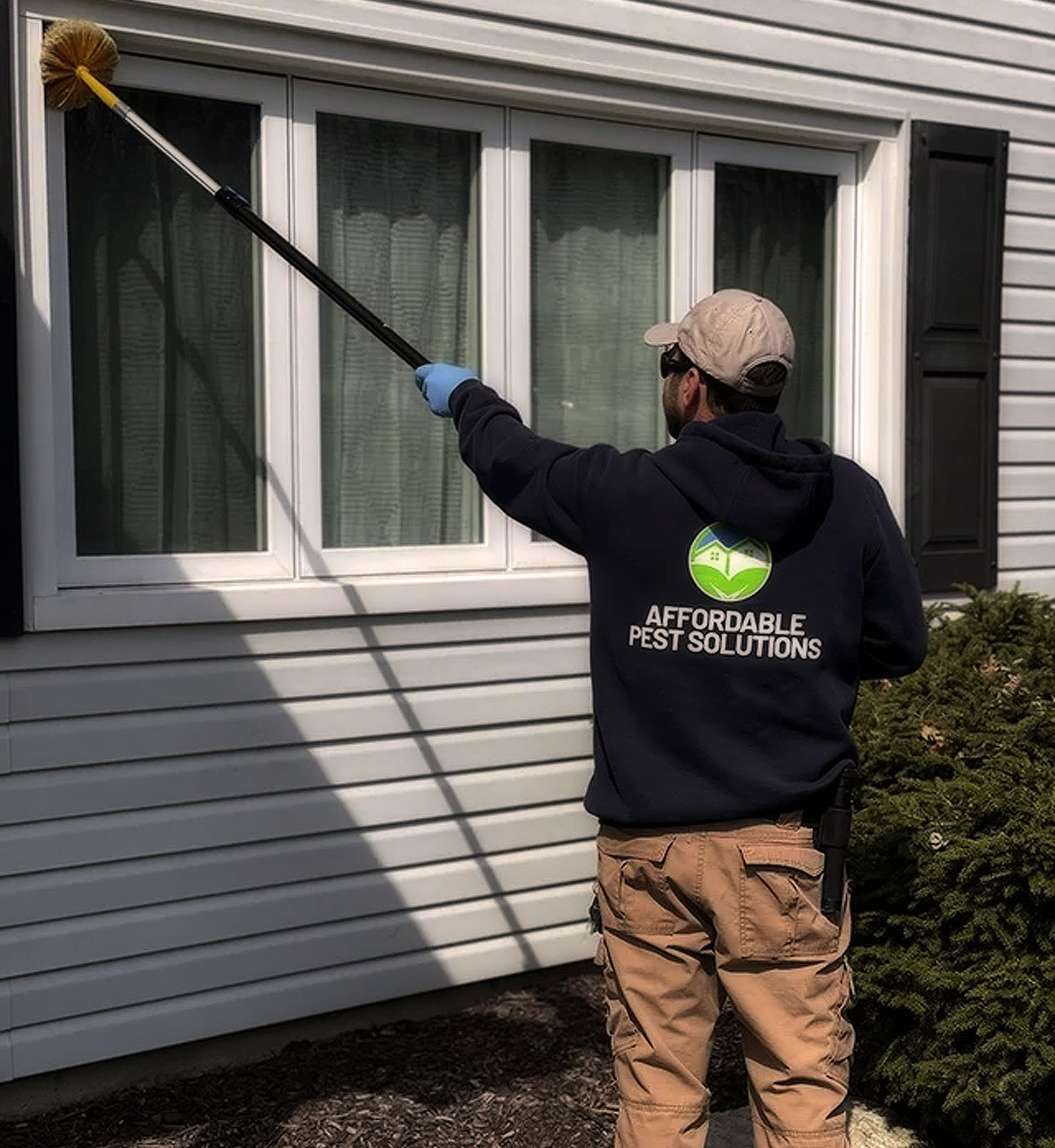
Rodent problems rarely begin with a dramatic moment. Most start quietly, with a few droppings under the sink, a faint scratching sound behind a wall after dark, or a bag of pet food that looks slightly chewed at one corner. By the time a homeowner is certain mice or rats have moved in, the infestation is often more established than it appears.
That is why rodent work demands more than setting a few traps and hoping for the best. Effective Pest Control Services Sussex County homeowners can rely on must deal with the whole picture: how rodents enter, what keeps them coming back, where they nest, and what conditions allow a small problem to become a recurring one.
In Sussex County, those conditions are common. The mix of older homes, newer developments, wooded lots, outbuildings, crawl spaces, farms, restaurants, and seasonal shifts creates ideal pressure for rodents to look for shelter and food. Fall and winter usually drive mice indoors. Rats may show up around garbage areas, sheds, crawl spaces, or properties with standing water and thick ground cover. Squirrels and other nuisance rodents often target attics, soffits, and rooflines, especially when tree limbs provide easy access.
A solid rodent control plan takes local conditions seriously. It also respects a basic truth many property owners learn the hard way: if entry points remain open, trapping alone is temporary.
Why rodents become such persistent problems in Sussex County
Rodents succeed because they exploit tiny weaknesses. A mouse can squeeze through an opening roughly the width of a dime. Rats need more room, but not much more than many homeowners expect. Gaps where utility lines enter the house, broken crawl space vents, loose garage door sweeps, damaged soffits, unsealed foundation cracks, and aging weatherstripping can all become access points.
Sussex County properties often have several risk factors at once. Rural and semi-rural homes sit close to fields, woods, and water sources that support rodent populations year-round. Homes with stone foundations or additions built at different times may have small structural gaps that are easy to overlook. Properties with bird feeders, chicken feed, compost piles, and outdoor pet food add another layer of attraction. Even neat, well-maintained homes can end up with mice if surrounding conditions push them inside.
Weather matters too. After heavy rain, burrows can flood and rats shift locations. During colder months, house mice look for warmth and nesting material. A warm mechanical room, attic insulation, or pantry cabinet can offer everything they need.
I have seen cases where a homeowner swore the problem started overnight, only to find multiple nesting sites in insulation and evidence that activity had been building for weeks. I have also seen the opposite, a single mouse caught early before it turned into a breeding population. The difference usually comes down to how quickly the signs were noticed and whether the response included exclusion, sanitation guidance, and follow-up.
Mice, rats, and other rodents do not behave the same way
One of the biggest mistakes in rodent control is treating all rodents as if they follow the same patterns. They do not. A house mouse infestation in a kitchen wall is not managed the same way as Norway rats under a shed, and neither resembles a squirrel den in the attic.
House mice are curious, active, and capable climbers. They often travel along baseboards, utility lines, and cabinet edges. Their droppings are small and spindle-shaped, and they can establish themselves quickly if food is available. A few crumbs behind an appliance, unsecured dry goods in a pantry, or pet food left overnight can sustain them.
Rats are more cautious. Norway rats usually stay lower to the ground and favor crawl spaces, basements, burrows, and perimeter zones near structures. Roof rats, where present, are more likely to use elevated pathways, though many Sussex County calls involve ground-based rat activity around foundations, garages, and trash storage areas. Rat infestations carry higher stakes because of the damage they can do to insulation, ductwork, wiring, and stored goods.
Squirrels, chipmunks, and similar nuisance rodents create a different set of issues. They may not contaminate kitchens the way mice do, but they can tear into soffits, shred insulation, and create noise that keeps residents awake. In attic jobs, the damage often includes chewed framing edges, stained insulation, and entry holes widened over time.
Understanding the species matters because it shapes every decision, from trap placement to repair priorities to the expected timeline for control.
What a careful rodent inspection should uncover
A professional rodent inspection should not feel rushed. Good technicians are not just looking for live animals or obvious droppings. They are reading the structure and the property around it.
Inside, that means checking under sinks, behind appliances, around water heaters and furnaces, inside utility closets, along attic edges, and in basements or crawl spaces. Droppings, rub marks, gnawing, urine odor, nesting debris, grease marks along runways, and disturbed insulation all help tell the story.
Outside, the inspection is just as important. Entry points are often found at foundation transitions, roof intersections, garage door edges, AC line penetrations, vent screens, and places where previous repairs have deteriorated. Dense vegetation against the house, stacked firewood, cluttered sheds, and overflowing trash areas also deserve attention.
When inspections are done well, they answer practical questions. Where are the rodents entering? Where are they active now? Is the issue isolated or spread through multiple parts of the building? What structural work is necessary to make treatment hold?
Without those answers, property owners can spend money on repeated service visits while the root cause remains open.
The signs most property owners notice first
In real homes and commercial buildings, rodent infestations usually announce themselves in familiar ways. The earliest signs are often subtle enough to dismiss, especially in larger houses or busy kitchens.
- Scratching, gnawing, or movement sounds in walls, ceilings, or attic spaces, especially at night
- Droppings in cabinets, under sinks, behind stored items, or along baseboards
- Chewed food packaging, insulation, cardboard, wiring, or pet food bags
- A stale or musky odor that seems stronger in enclosed areas
- Grease marks or smudged pathways along walls where rodents travel repeatedly
Any one of these signs deserves attention. When several appear together, the infestation is rarely new.
Why trapping is only one part of rodent control
Traps matter. They are often the fastest way to reduce an active mouse or rat population indoors. But rodent control fails when trapping is treated as the whole job.
A successful program usually combines population reduction with exclusion and habitat correction. If mice are trapped in the pantry but still entering through a utility gap behind the dishwasher, new mice will replace the ones removed. If rats are removed from a crawl space but burrows remain active around an unsecured shed and garbage area, the pressure on the structure continues.
This is where experienced Pest Control Services Sussex County residents hire can show their value. The technician should understand not only where to place control devices, but also when to seal, what materials hold up, and how to stage the work so rodents are not simply pushed deeper into the building.
There is also judgment involved in choosing tools. Snap traps, multi-catch devices, tamper-resistant exterior bait stations, monitoring devices, and exclusion materials all have their place. The right combination depends on occupancy, pets, children, food handling concerns, and the location of the infestation. A family home with a toddler and a dog requires a different setup than a detached shed, restaurant dumpster pad, or vacant seasonal property.
The role of exclusion, and why cheap repairs often fail
Exclusion is the backbone of long-term rodent control. It means physically closing off the entry points rodents use to enter the structure. That sounds simple, but execution matters.
Rodents can chew through low-quality foam, thin plastic, and poorly fitted patchwork. They exploit weak corners and unfinished edges. A proper exclusion repair often uses metal mesh, flashing, hardware cloth, concrete-based patching, durable sealants, and custom-fitted materials that match the Pest Control Services Sussex County size and location of the opening. The repair should also account for moisture, airflow, and future wear.
Garage doors are a common example. Homeowners often focus on large visible gaps and miss the worn side seals or uneven concrete that leave enough room at the corners for mice. Crawl space vents are another frequent trouble spot. Damaged screening, loose fasteners, or improvised patches can become repeat failure points.
Attic entry repairs require even more care. If squirrels or mice are entering near soffits or roof returns, the work should secure the opening without creating a moisture issue or compromising ventilation. Hasty sealing in the wrong place can trade one problem for another.
A good technician knows when to recommend a pest-specific repair and when the issue crosses into roofing, siding, or carpentry work. That kind of honesty saves clients from superficial fixes.
Health, sanitation, and hidden damage
Most people call because they do not want rodents in the house. The contamination and property damage are often discovered later.
Rodents contaminate food preparation areas, pantry goods, and storage spaces with droppings and urine. They drag nesting material into wall voids and insulation. They can introduce fleas or mites in some cases. None of that is good news in a home, and in restaurants, food service areas, rental properties, and healthcare settings, the stakes rise quickly.
There is also the issue of electrical damage. Mice and rats chew constantly. Wiring, appliance cords, and low-voltage lines are all vulnerable. Not every infestation causes serious electrical problems, but enough do that it deserves respect. I have seen attic jobs where HVAC flex lines, insulation jackets, and bundled wiring were all damaged in the same area because a nesting site had gone unnoticed for months.
Sanitation after rodent activity is sometimes overlooked. Once the animals are removed and entry points are sealed, heavily affected areas may need targeted cleanup, insulation removal, deodorization, or disinfection depending on the severity. That is especially true in attics, crawl spaces, and storage rooms where contamination can build up over time.
Residential homes, rental properties, and businesses each have different needs
A single-family home usually allows the most straightforward plan. The residents can adjust food Pest Control Services Sussex County storage, reduce clutter, and cooperate with follow-up. Access is easier, and repairs can often be scheduled quickly.
Rental properties are more complicated. The root cause may involve tenant habits, deferred maintenance, or both. In multi-unit settings, rodents can move between walls, shared utility lines, and adjoining spaces. Treating one unit in isolation may reduce activity without solving the broader issue. Communication matters here. Landlords, tenants, and service providers need a shared understanding of sanitation expectations, repair timelines, and reinspection.
Commercial properties bring their own challenges. Restaurants, warehouses, offices, retail spaces, and agricultural buildings all create different patterns of rodent activity. In food environments, strict placement of devices, regular monitoring, and documentation become essential. In storage or agricultural settings, spilled product, pallet clutter, and large door gaps often play a larger role. Businesses also need rodent work that respects operating hours, employee safety, and customer visibility.
The best rodent programs are tailored to the building and the way it is used. There is no single template that fits every Sussex County property.
Seasonality changes the pattern, not the need for control
Rodent activity is not identical in every month, but it never fully disappears. Fall tends to bring the highest volume of interior mouse calls because temperatures drop and shelter becomes more attractive. Winter often reveals established activity that was hidden during busier seasons. Spring can expose exterior breeding pressure, especially around sheds, retaining walls, and overgrown edges. Summer sometimes gives homeowners a false sense of security, even though rats, mice, and squirrels remain active and continue expanding their routes.
This matters because prevention should not wait for a crisis. The best time to seal entry points is before the first hard cold snap. The best time to correct trash storage, trim vegetation away from the siding, and replace torn vent screens is before rodent pressure peaks.
Waiting until scratching sounds start in the wall usually means the house has already been chosen.
What property owners can do to lower the odds of reinfestation
Professional service works best when the property itself becomes less inviting. That does not mean a homeowner caused the infestation. Rodents can exploit very clean homes. But a few practical changes often make control faster and more durable.
- Store dry foods, bird seed, and pet food in hard containers with tight lids
- Keep shrubs, ivy, and stacked materials from touching or crowding the exterior walls
- Repair leaks and moisture problems in crawl spaces, basements, and under sinks
- Use tight-fitting lids for trash and avoid leaving outdoor food sources accessible overnight
- Address small exterior gaps early, before seasonal pressure pushes rodents inside
These steps are not glamorous, but they matter. Rodent control is often won or lost in the details.
Choosing a rodent control provider in Sussex County
Not all rodent service is equal. Some companies focus heavily on baiting. Others are stronger on exclusion and structural problem-solving. The best fit depends on the property, but there are a few signs of a thoughtful provider.
First, the company should inspect before promising results. Rodent jobs need diagnosis. A price quoted without understanding the building usually reflects a generic approach.
Second, recommendations should be specific. If a technician says there are entry points, you should hear where they are, how many were found, and what kind of repair is being suggested. Vague language often leads to vague outcomes.
Third, follow-up matters. Rodent control is a process, not a one-visit event in most established infestations. Traps need checking. Activity levels need reassessment. Exclusion work sometimes reveals secondary pathways once the main access is closed.
Fourth, the communication should be practical. You should know what to expect in the next few days, what sounds or signs may continue briefly, and what housekeeping steps support the work. Good service reduces uncertainty, not just rodent numbers.
Finally, local familiarity has real value. Providers who regularly perform Pest Control Services Sussex County property owners need are more likely to recognize regional building styles, seasonal pressure patterns, and common trouble spots such as crawl spaces, barns, detached garages, and wooded perimeters.
When the problem seems small, fast action still pays off
A single mouse in a trap does not always mean a major infestation, but it should never be ignored. Rodents breed quickly, stay hidden well, and exploit structures efficiently. Small early interventions are almost always cheaper and less disruptive than full cleanup after weeks or months of unnoticed activity.
That is especially true in homes with children, elderly residents, pets, or anyone sensitive to allergens and contamination. It is also true in vacation homes and secondary properties, where weeks can pass between visits and infestations have time to spread undisturbed.
The practical goal is not panic. It is timing. Rodent control is easiest when the signs are fresh, the access points are identifiable, and the nesting areas are limited.
A durable fix is built on inspection, control, and repair
The most successful rodent jobs in Sussex County have a consistent pattern behind them. Someone notices the signs early. The inspection identifies both activity and access. The immediate population is reduced with appropriate devices. Entry points are sealed with materials that last. Conditions around the property are adjusted so the structure is less attractive going forward.
That process is more methodical than dramatic, but it works.
When mice, rats, or other rodents turn up in a home or business, the real question is not whether a trap can catch one animal. It is whether the property can be made harder to invade next week, next season, and next year. That is the standard worth looking for from any rodent control service, and it is what separates temporary relief from a result that holds.
Affordable Pest Solutions LLC
Based in Budd Lake, New Jersey 07828
Service area: Sussex County, Morris County, and Warren County, New Jersey
+1 973-229-9547
FAQ About Pest Control Services Sussex County
What is included in a pest control service in NJ?
A visit generally starts with an inspection to identify the pest and assess activity, access points, and contributing conditions. The proposed service may include treatment, monitoring, exclusion recommendations, and follow-up. Ask which pests and areas are covered by the written quote.
How much does a pest controller charge in NJ?
Pricing depends on the pest, property size, severity of activity, and work required. A single treatment and an ongoing plan can have different costs and coverage. Request an inspection-based estimate that explains the included work, follow-up fees, and warranty terms.
How to prepare my home for pest control?
Ask for instructions specific to the planned service. The technician may need access to inspection areas and may ask you to move belongings or protect food and dishes. Mention pets, aquariums, and any household concerns beforehand. Follow the product label and the technician's instructions about leaving and re-entering treated areas.